
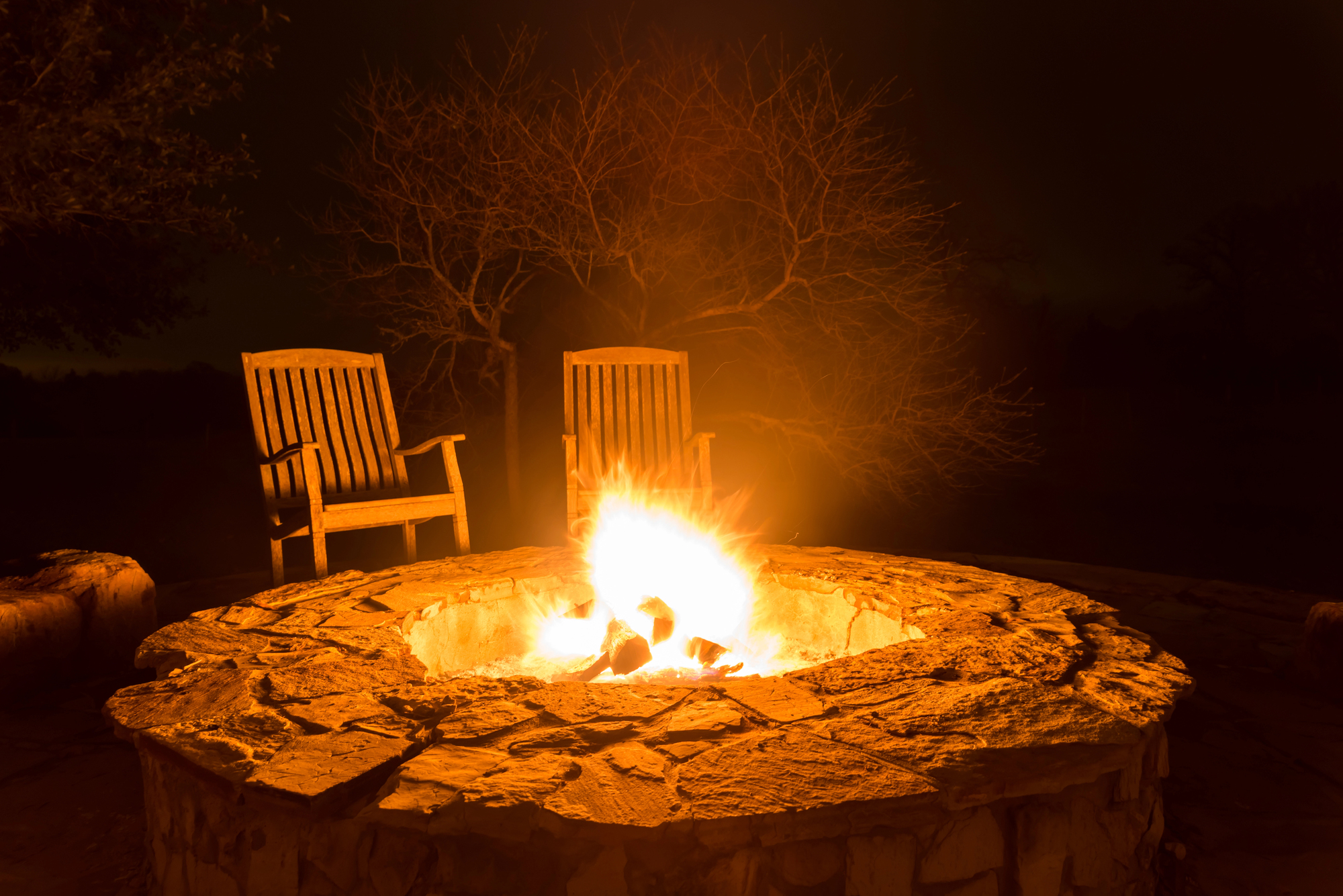
Fall is when backyard projects start moving again in Queen Creek and San Tan Valley. Evenings cool down, and the fire pit, built-in grill, or pool heater that waited all summer finally gets planned. The gas line is the part most people think about last, but it shapes the budget, the layout, and the timeline. A plumber in Queen Creek should be part of the conversation before the patio is built, not after.
Here is what decides the scope of a new outdoor gas line.
Start With the Appliances, Not the Patio
Every gas appliance has a BTU rating, and the line has to be sized to carry the combined load of everything connected to it. A built-in grill, a fire pit, and a pool heater add up quickly, and a pool heater alone can draw more gas than the other two combined.
That total matters for two reasons. First, the pipe diameter is chosen based on the BTU load and the length of the run. A line that is too small starves the appliances, so the fire pit burns low or the grill struggles to hold temperature. Second, your existing gas meter and regulator may not be rated for the added demand. If they are not, the utility may need to upgrade them before the new appliances can run properly.
List every gas appliance you plan to add, including ones you might add in a year or two. Sizing the line once for the full plan costs far less than trenching the yard a second time. Our gas line installation and repair service starts with exactly that load calculation.
Distance and Route Drive Most of the Cost
Once the load is known, the biggest variable is how far the gas has to travel and what it crosses along the way. A short run from a nearby stub on the back wall is a very different job from a line that has to reach a fire pit at the far end of the yard.
Underground runs are typically made with polyethylene pipe rated for buried gas service, laid with a tracer wire so the line can be located later. Where the line comes out of the ground, it transitions to a metal riser before connecting to the appliance. Above-ground sections along the house use black iron or CSST, and CSST has bonding requirements that need to be met correctly.
The route also has to clear what is already in the ground. Irrigation lines, landscape lighting, and pool plumbing are common in East Valley backyards, and Arizona law requires a call to Arizona 811 to have buried utilities marked before anyone digs.
Natural Gas or Propane
Not every home in the area has natural gas service. Some run on propane, and some are all electric. If your home already has natural gas, extending it to the backyard is usually the cleaner long-term option, since there is no tank to refill.
If you have a propane fire pit or grill and plan to connect it to natural gas, it will need a manufacturer-approved conversion kit. Propane and natural gas run at different pressures and use different burner orifices, so the appliance cannot simply be hooked up as it is.
Permits, Pressure Testing, and the Shutoff Valve
In most cases, a new gas line requires a permit and an inspection. Before the trench is backfilled, the line is pressure tested to confirm there are no leaks at the joints. Each appliance also needs its own accessible shutoff valve, so it can be turned off for service without shutting down gas to the whole house.
These steps are where DIY gas work goes wrong. A fitting that passes a quick soap test today can still fail an inspection, and a leak on a buried line is far harder to find and fix than one caught before the trench is filled.
Bring the Plumber In Before the Pavers Go Down
The best time to involve a plumber is during the design stage, before the hardscape contractor pours concrete or lays pavers. Running a sleeve under a future patio is simple. Cutting through a finished one is expensive and leaves a visible patch.
A good plan covers the total BTU load, the pipe size, the route from the meter, the riser locations, and where each shutoff valve will sit. When your contractor and your plumber work from the same drawing, the gas is ready when the rest of the project is.
Frequently Asked Questions
Can I connect a new fire pit to my existing BBQ stub?
Sometimes. It depends on whether the existing line is sized to carry both appliances at once. A plumber can check the pipe size and run length to tell you whether it will work or whether a larger line is needed.
Do I need a gas line for an outdoor kitchen if the grill takes a propane tank?
No, but a fixed natural gas line means no tanks to swap and a steady fuel supply for longer cooks. Many homeowners choose a hard line when the grill is built into an island and the tank would be awkward to reach.
Get Your Outdoor Gas Line Planned by a Plumber in Queen Creek
To get an accurate plan on the first visit, have three things ready: the model number or spec sheet for each appliance you plan to add, a rough sketch of where each one will sit, and the location of your gas meter. With those in hand, an experienced plumber in Queen Creek can size the line, map the route, and give you a clear scope before your contractor breaks ground. AP Plumbing serves homeowners throughout Queen Creek and San Tan Valley.
Call AP Plumbing at 480-910-2652 to book a gas line consultation for your backyard project.